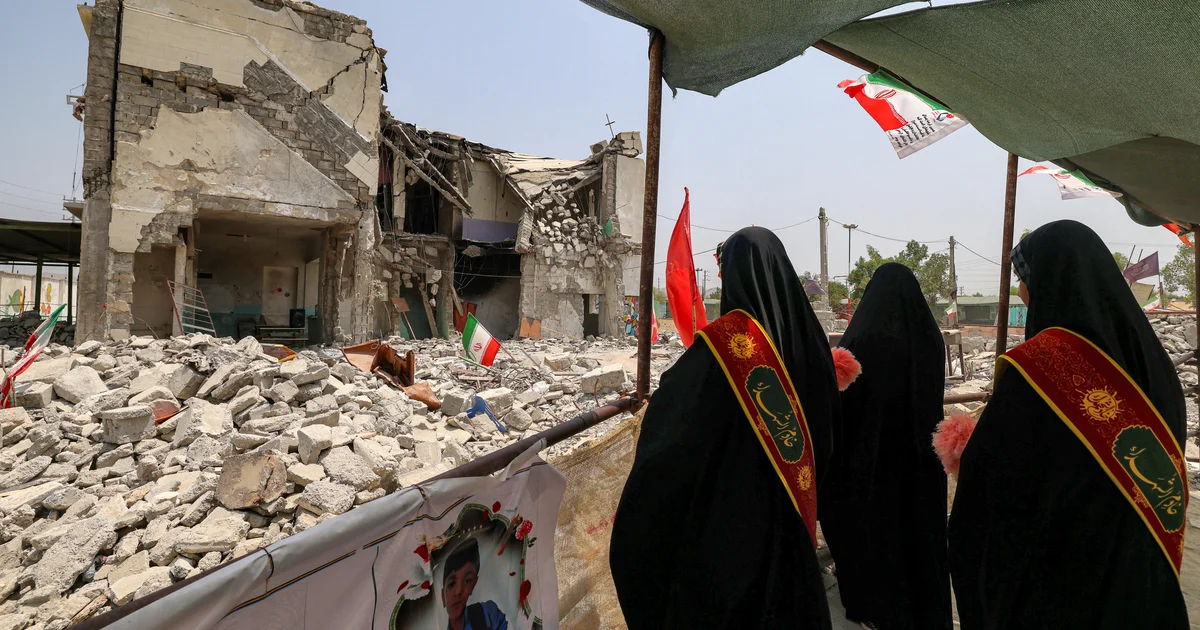
Tensions across the Middle East reached a fever pitch this week as geopolitical friction shifted from diplomatic halls to active combat zones. In Yemen, the humanitarian crisis has spiraled dangerously with UNICEF reporting that over 100,000 people, including 57,000 children, have been displaced in just the first two weeks of September. This surge comes as Iran backed Houthi rebels make significant territorial gains along the western coast, seizing the strategic city of Mocha and forcing thousands of families to flee with nothing but what they could carry. The violence has already spilled over borders, pushing thousands of refugees into neighboring Djibouti while reports emerge of civilian casualties on both sides of the conflict.
As the ground war intensifies, Tehran continues to leverage its control over global trade arteries. Mohammad Baqer Zolqadr, a top political adviser to Iranian Supreme Leader Mojtaba Khamenei, declared that the Strait of Hormuz will remain closed until President Donald Trump and Israeli Prime Minister Benjamin Netanyahu are removed from power. These threats come amidst deep uncertainty regarding Iran’s own leadership following previous airstrikes that allegedly wounded Mojtaba Khamenei shortly after he succeeded his father. Internally, the regime is facing its own pressures; Vice President Mohammad Reza Aref issued a rare public apology to citizens struggling with skyrocketing inflation and a cost of living that has become unsustainable for average wage earners.
Despite the aggressive rhetoric coming from Tehran and the volatility in Yemen, there are signs of backchannel maneuvering involving global superpowers. Secretary of State Marco Rubio recently spoke with Chinese Foreign Minister Wang Yi to discuss the regional instability ahead of a scheduled meeting between Presidents Trump and Xi Jinping in Washington. While Beijing has positioned itself as a potential mediator in the U.S.-Iran war, trust remains fragile. President Trump recently brushed off allegations that China provided Iran with sensitive satellite intelligence used in attacks against American soldiers, framing such activity as standard international espionage rather than a breach of diplomacy.
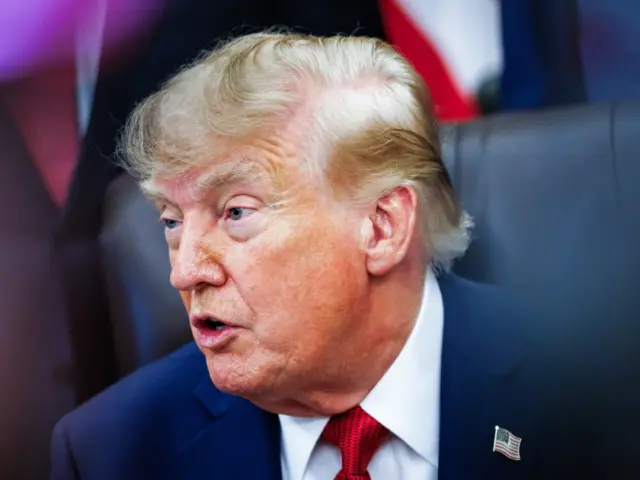
Even as these high stakes collisions occur globally, President Trump maintains an optimistic view regarding a negotiated settlement. He continues to suggest that despite the current hostilities and provocative demands from Iranian officials, Tehran ultimately wants a deal. Whether this optimism holds true remains to be seen as Saudi backed forces scramble to reinforce defenses around Aden and prepare for what military sources describe as a new phase of confrontation intended to reclaim lost territory from Houthi forces.